I Hear You Better With Noise
Jinseok Choi
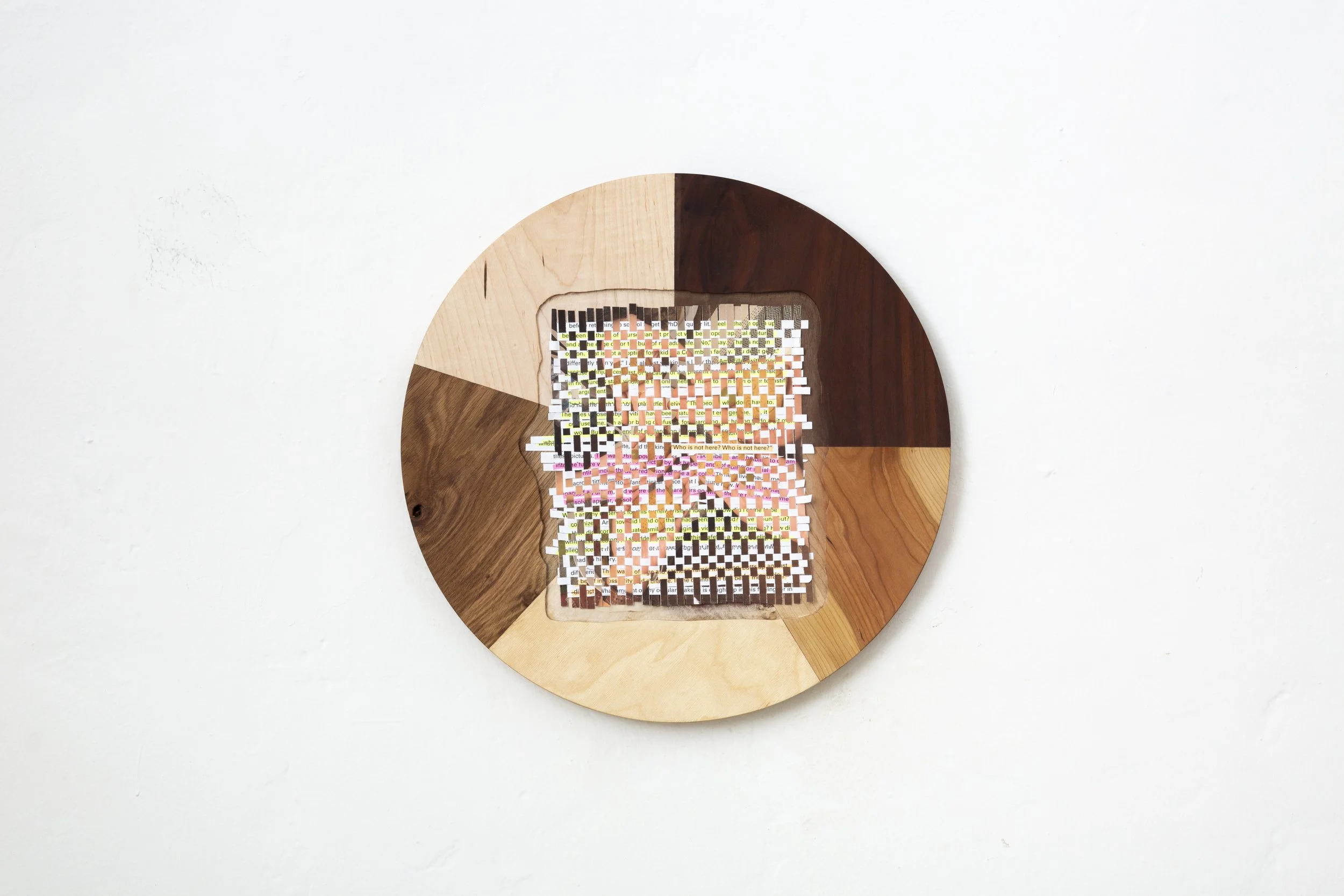
Who Is Not Here?
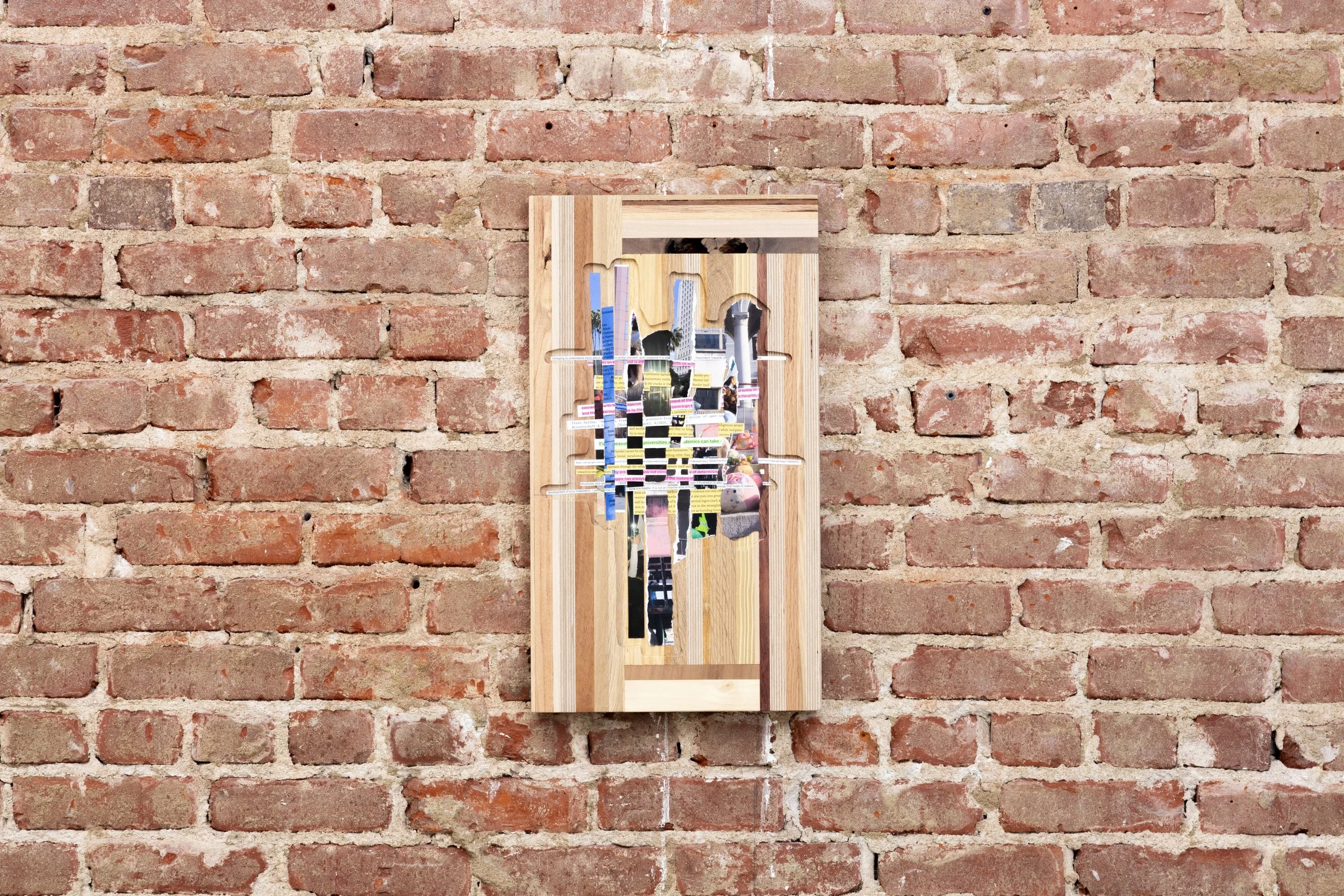
Clear In Peripheral Vision
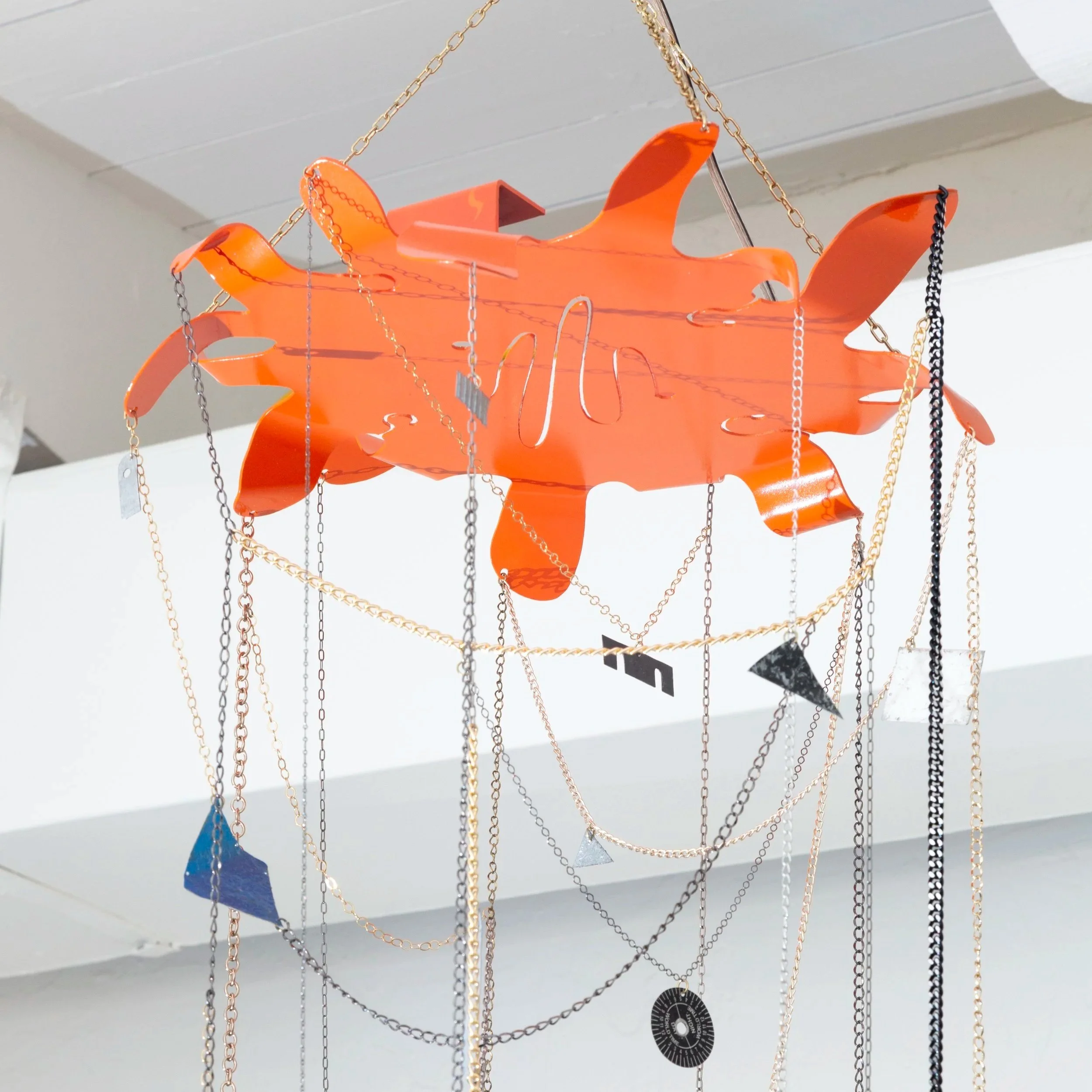
In Vertigo
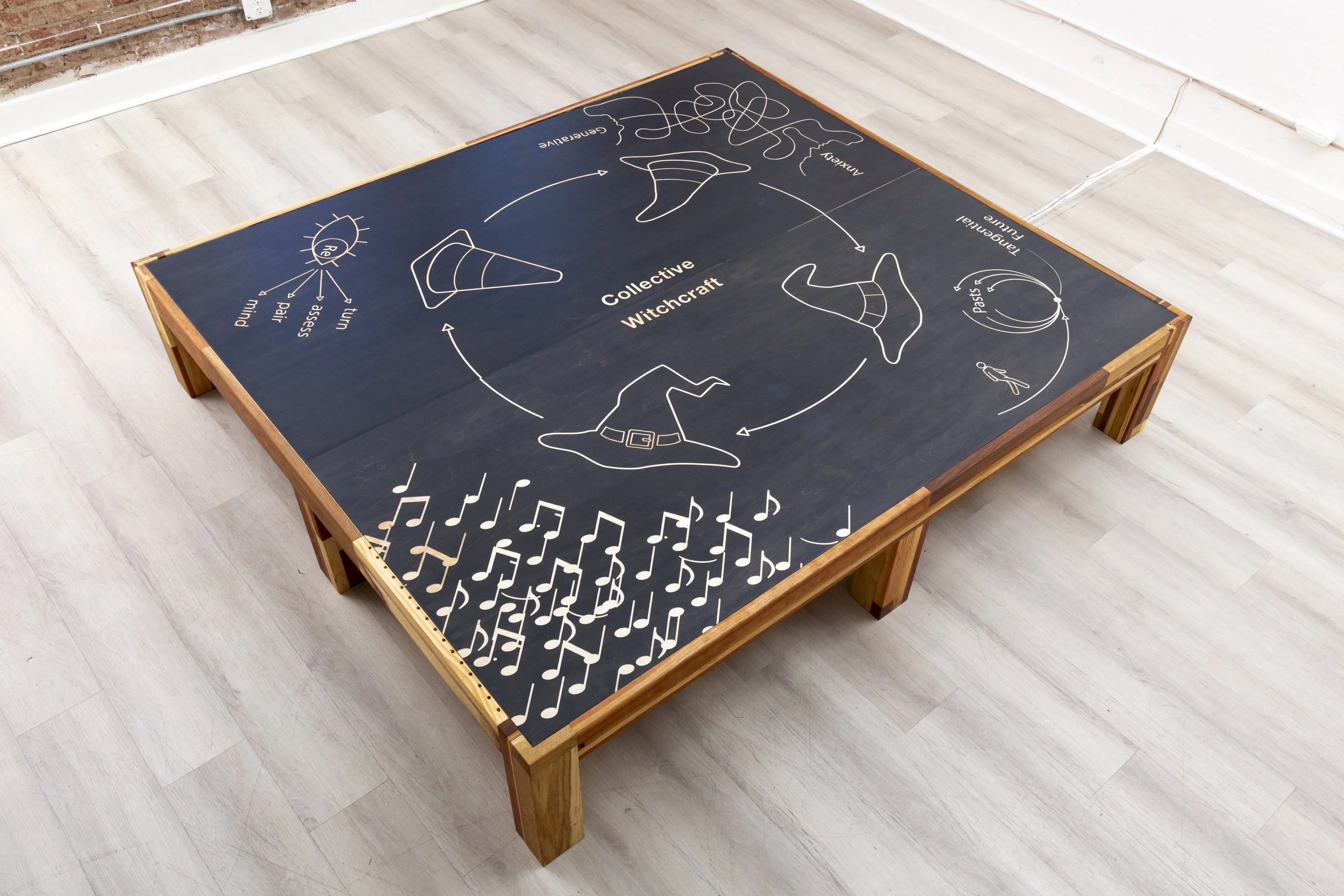
Run Run
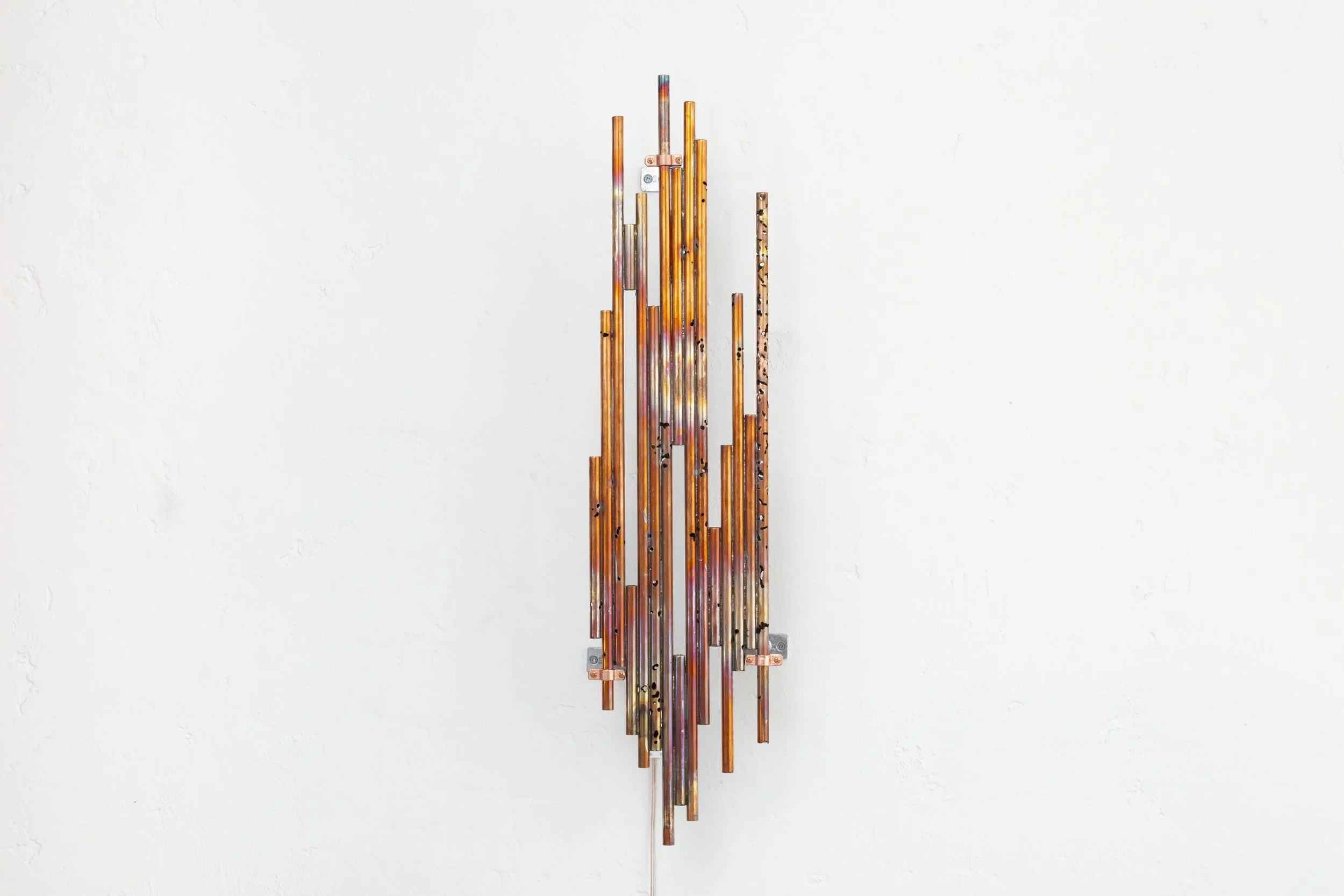
Double Movement
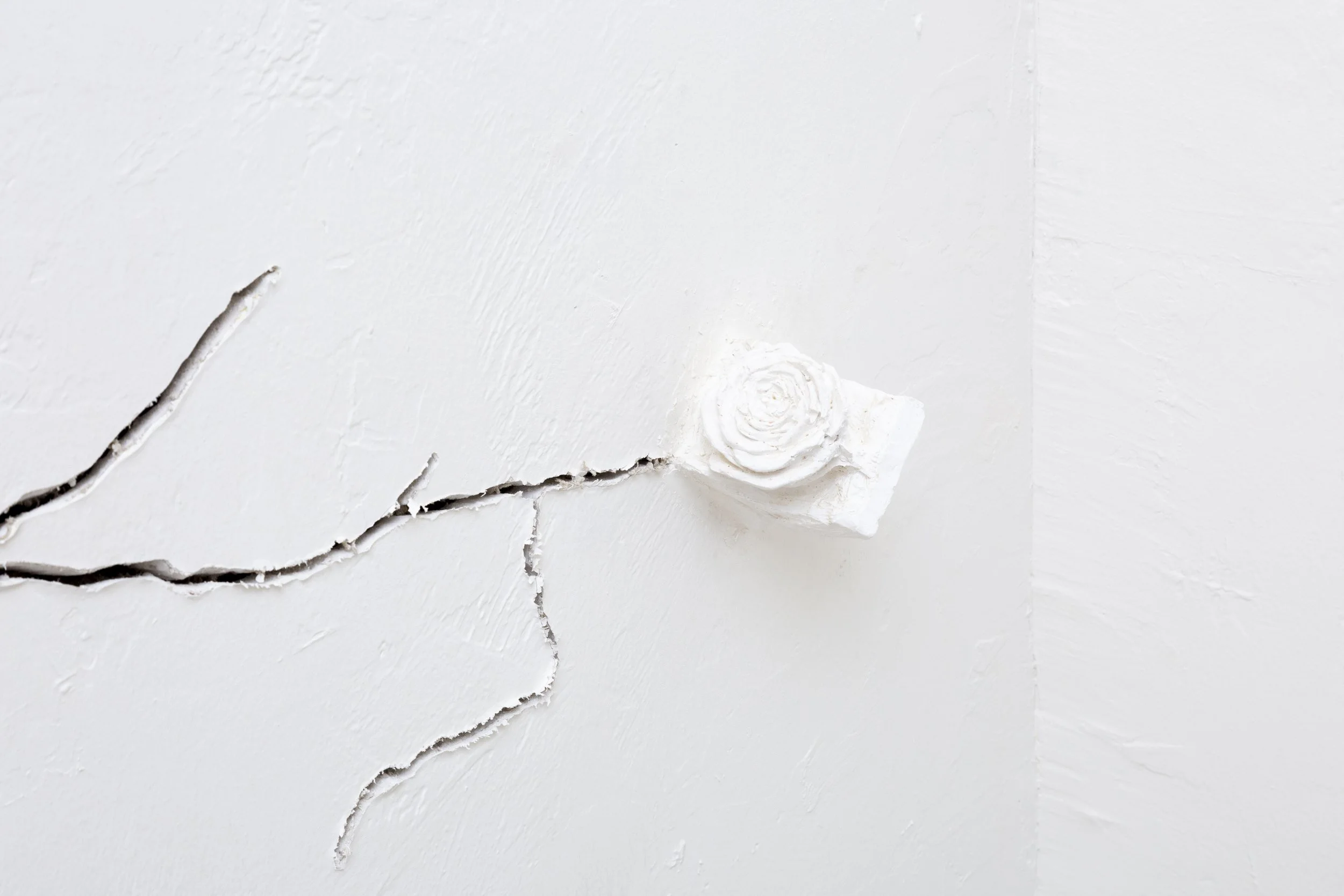
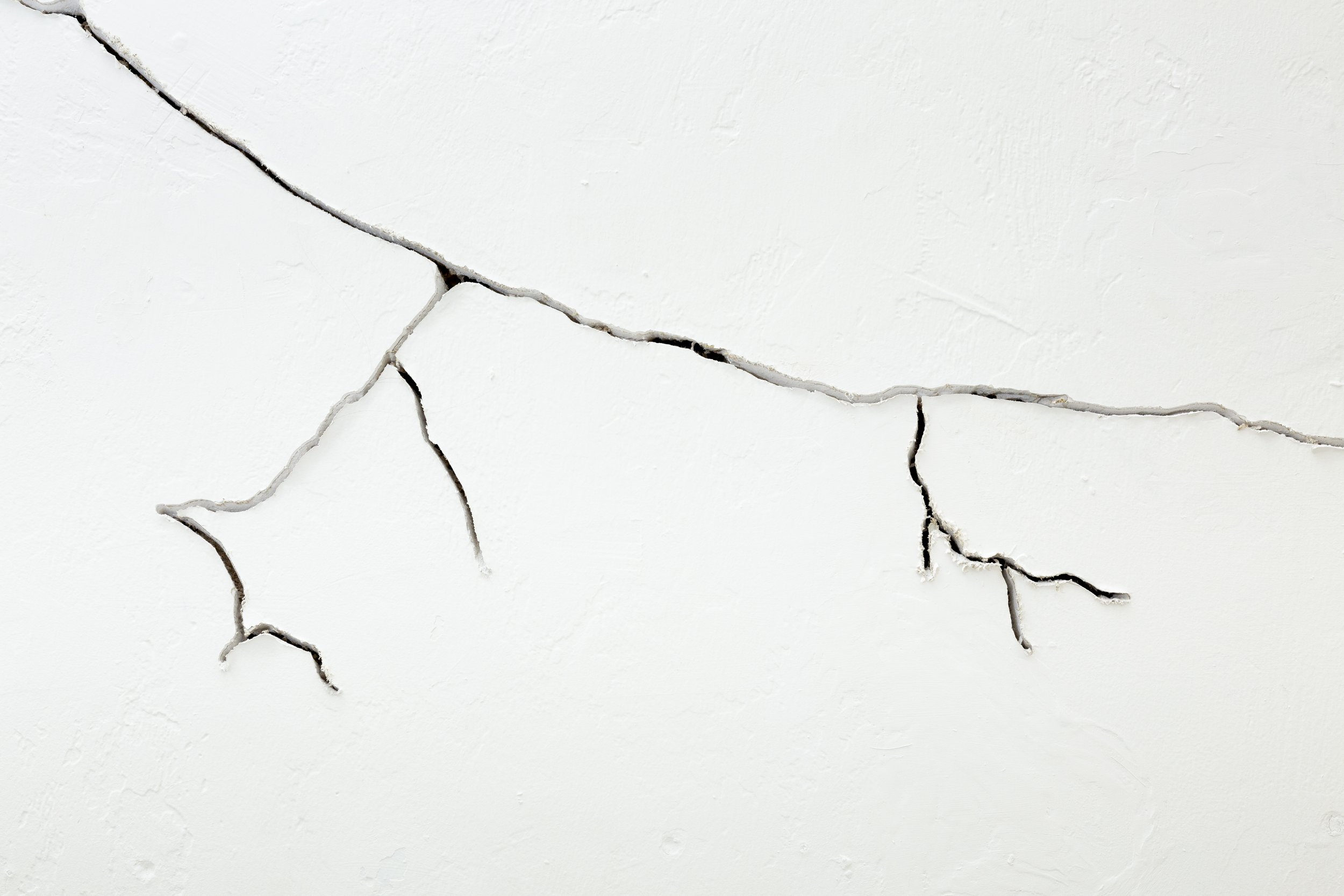
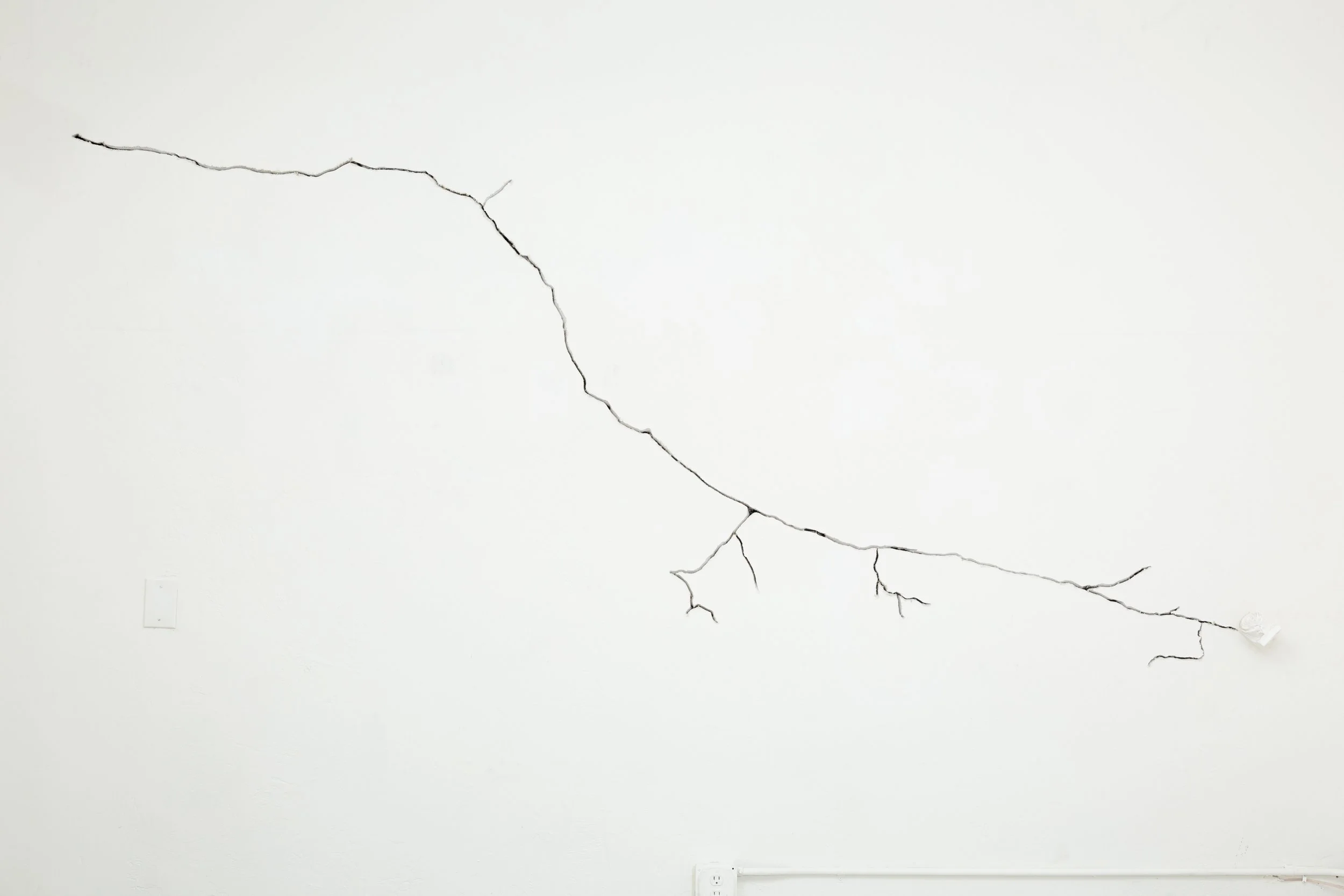
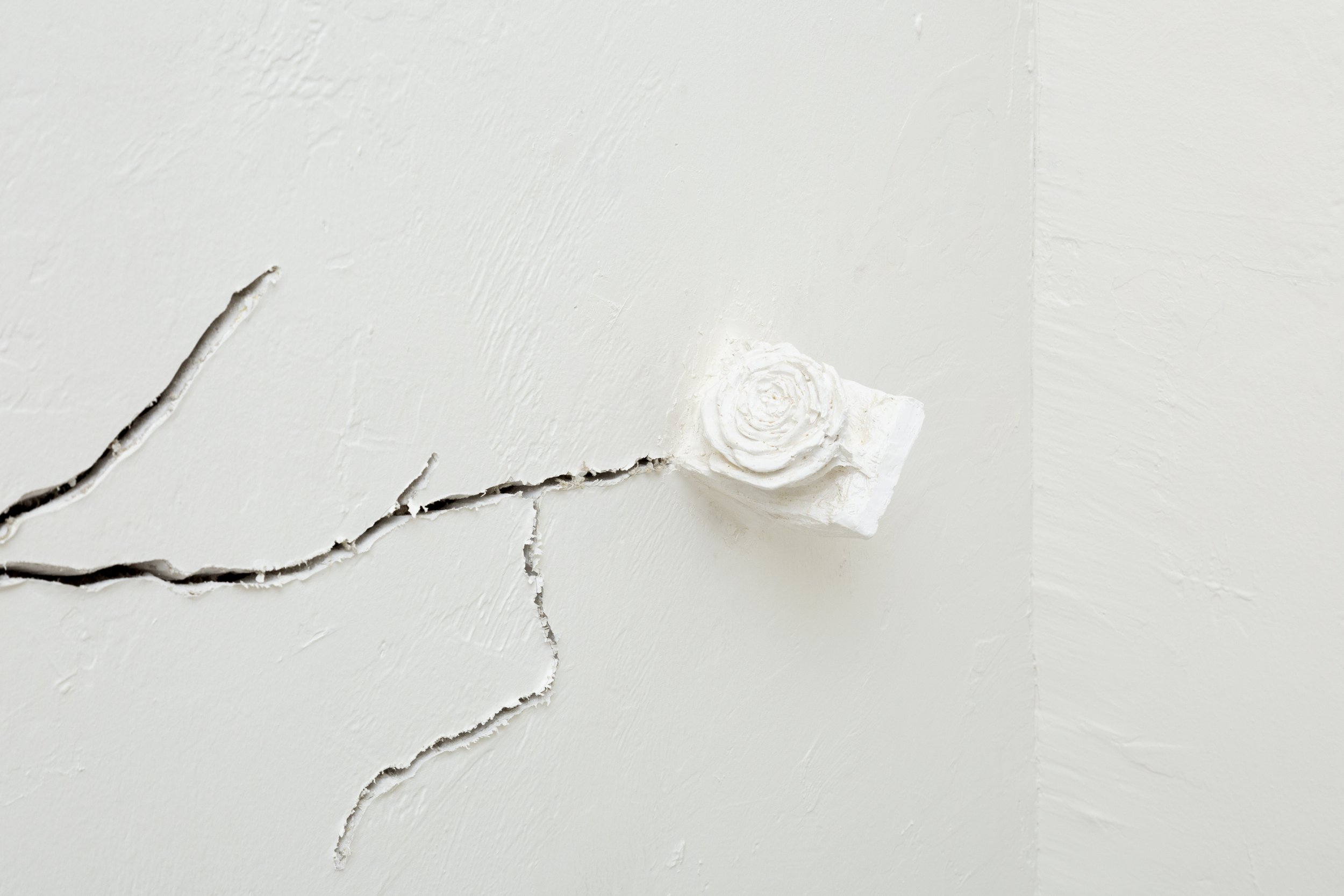
A Rose In/From/To You
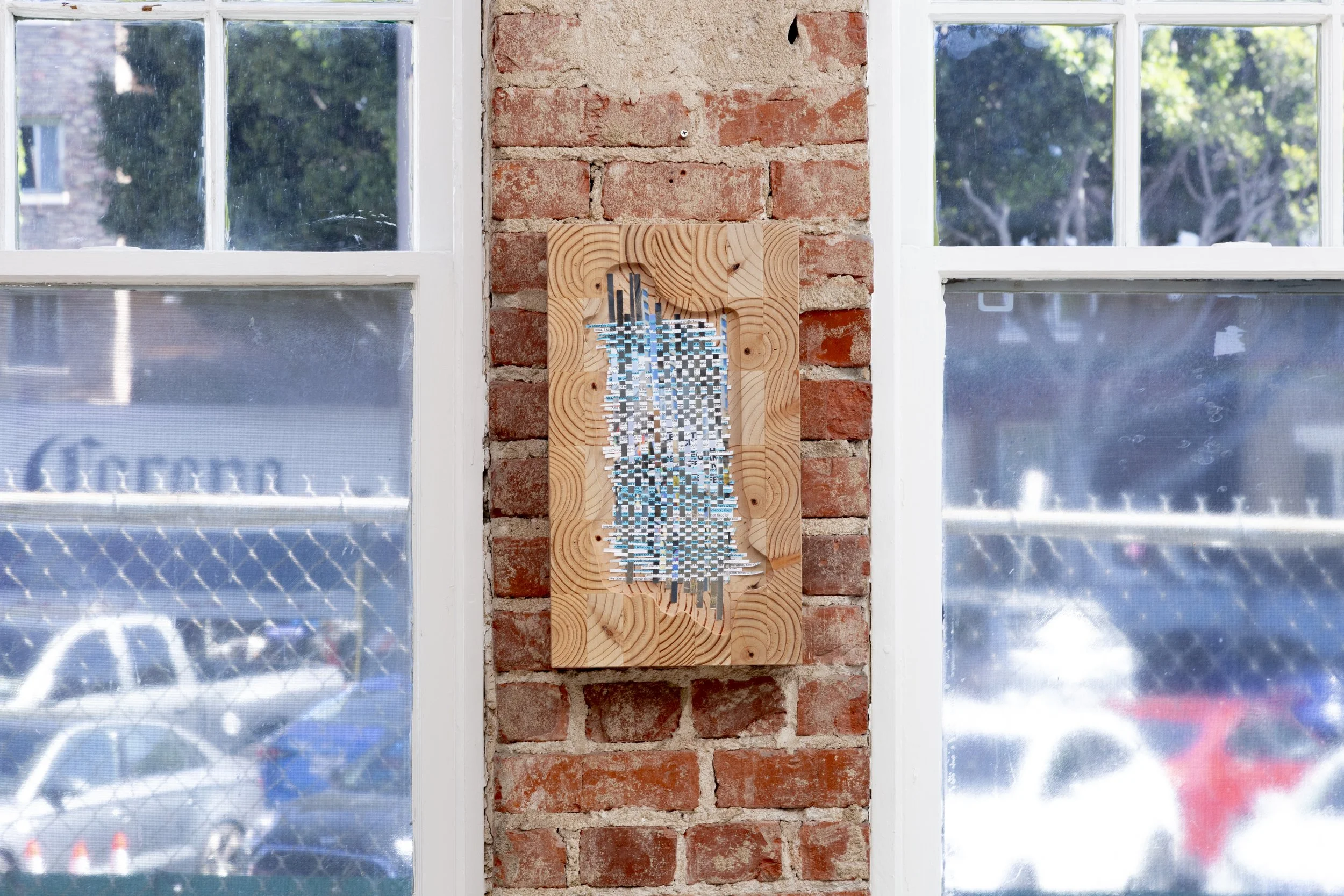
Walk Backwards
I Hear You Better With Noise
jinseok choi
I Hear You Better With Noise explores relationships, care, and memory amid increasing
surveillance and censorship. Reflecting on the forced loss of personal digital archives and
years of exchange with friends, the works reimagine past memories—both personal and
collective—as a shared multisensory presence.
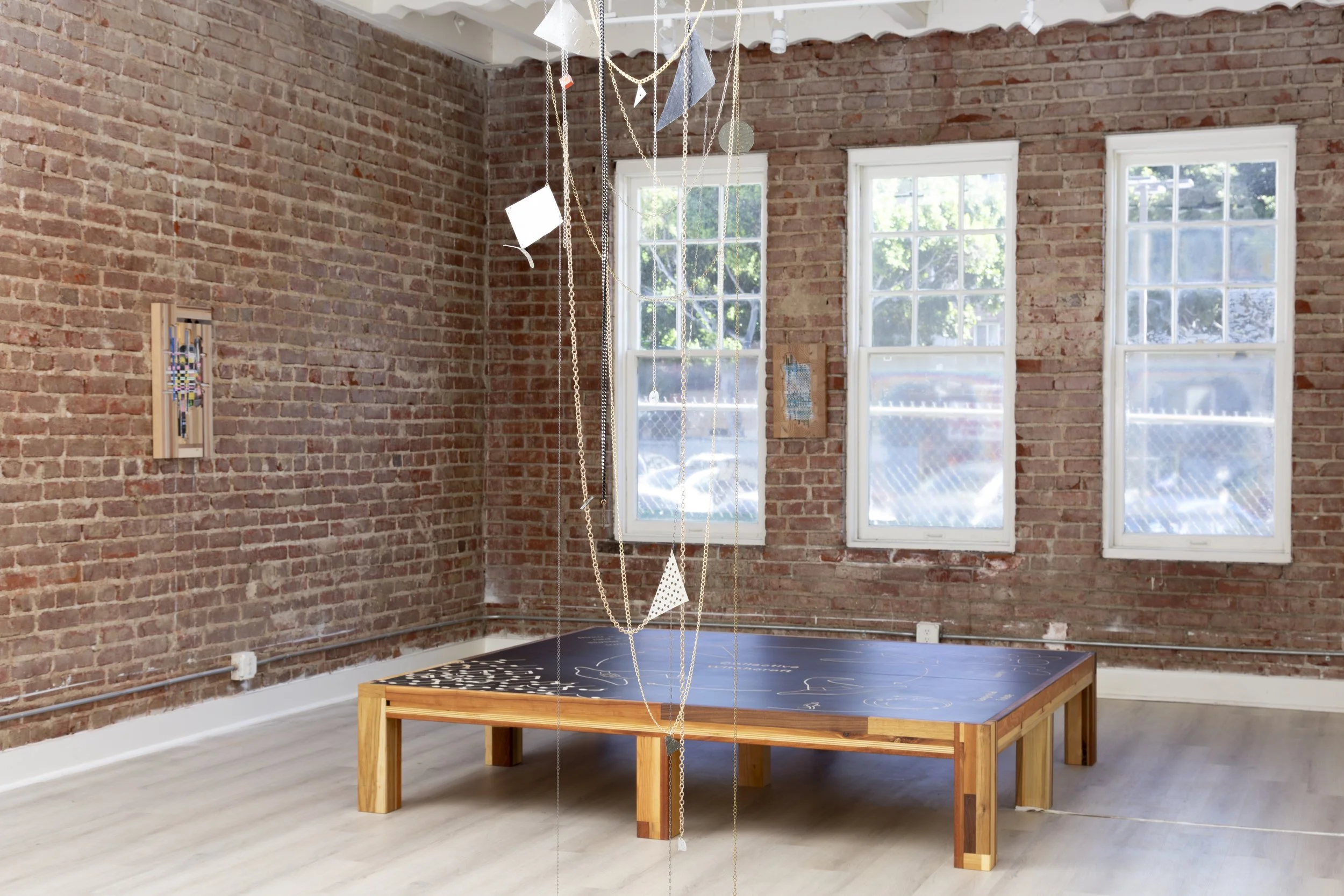
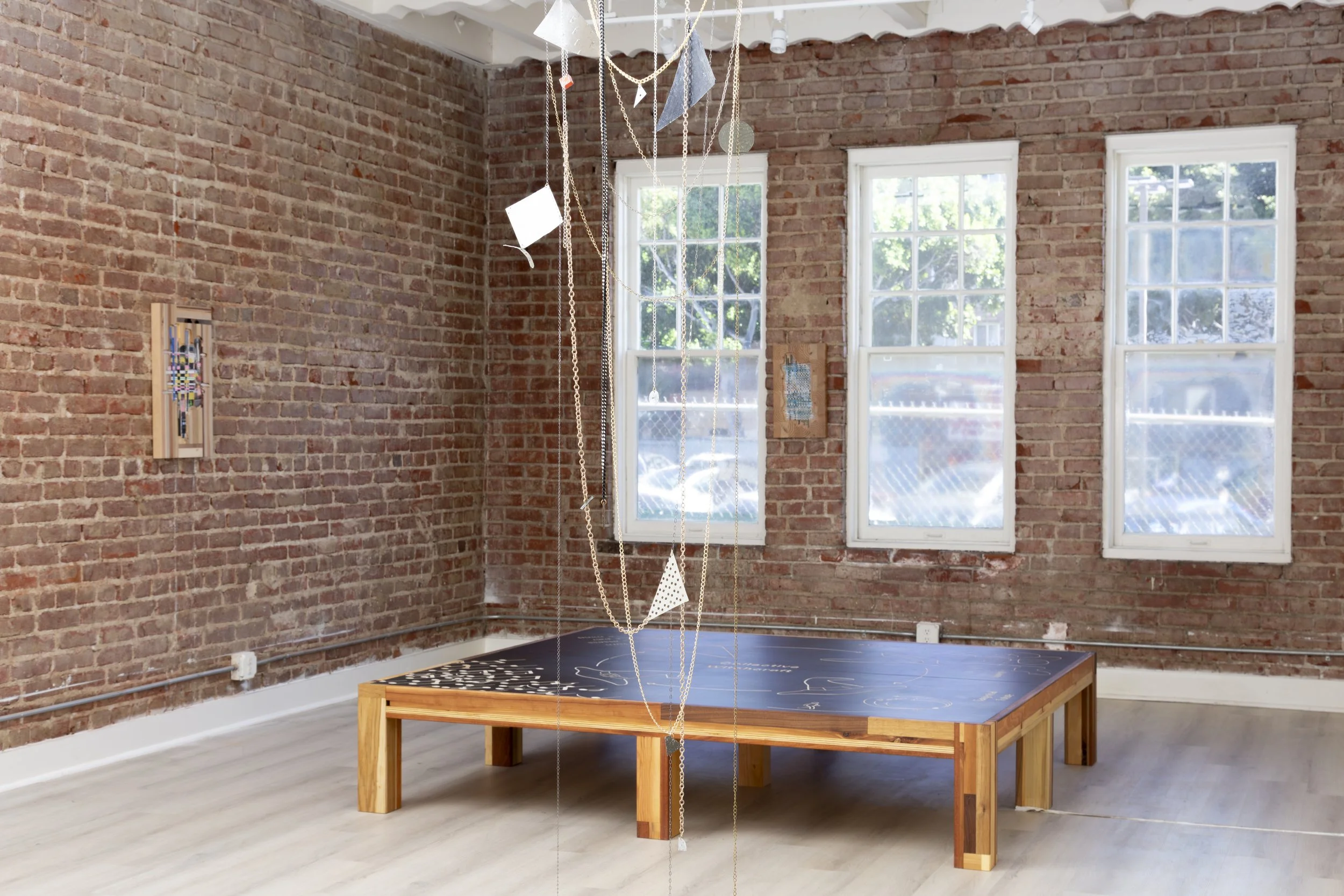
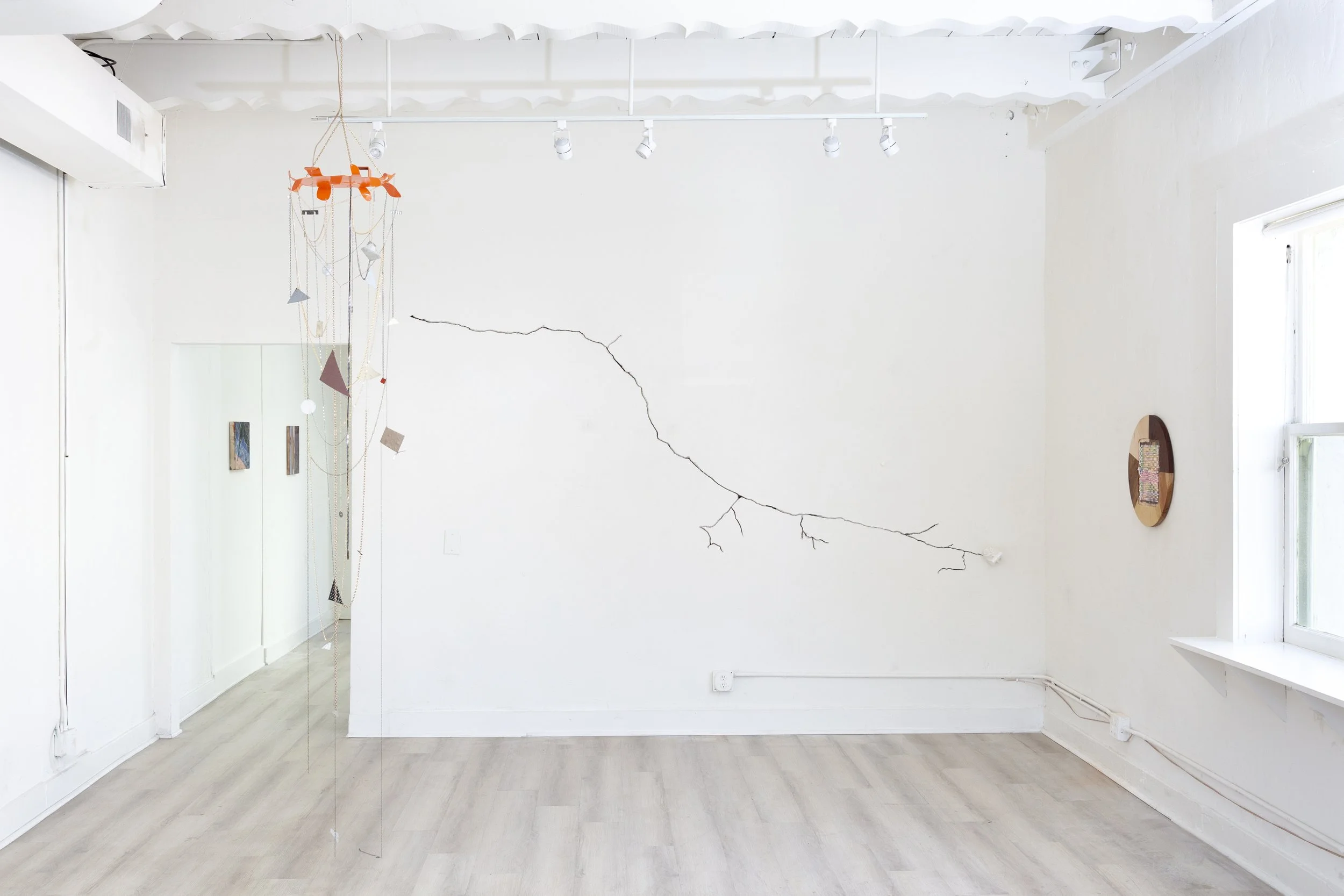
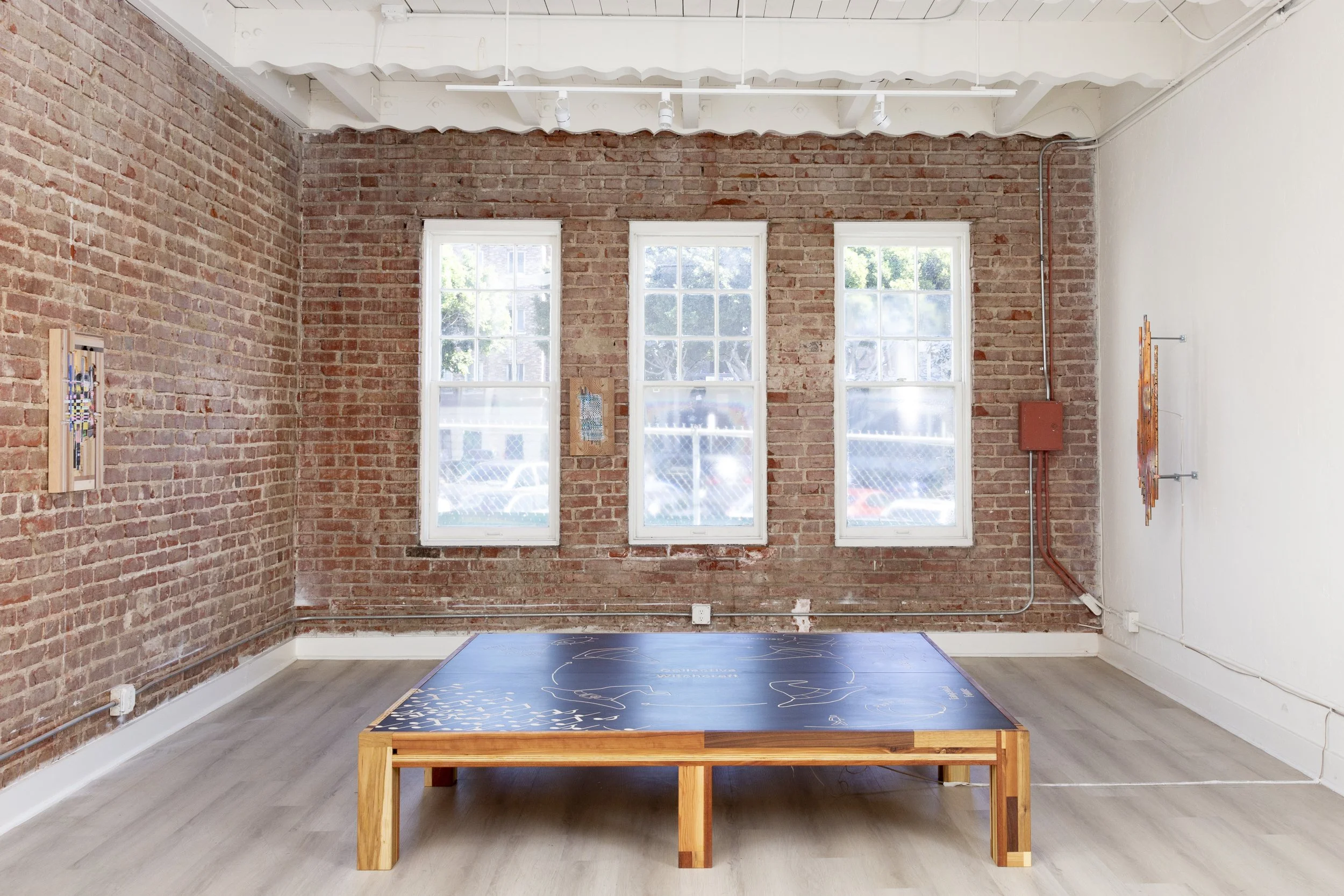
4 Chats is a series of sound-sculpture installations that translate the affective qualities of
friendship into a sensory environment. Developed in collaboration with four close friends, the 1
works transform conversations and personally significant objects into resonant sculptural
forms activated by transducers (contact speakers). Sound, composed from recorded
conversations,2 travels through these materials—shaped by their density, size, and structure—
producing subtle variations in vibration and pressure that are felt as much as heard. Installed in
response to the architectural elements rather than presented as discrete objects, the work 3
invites slow movement, proximity, and sustained attention, allowing relationships—between the
artist and participants, a viewer and a sculpture, or among viewers—to be experienced through
resonance, duration, and shared spatial presence.
In the Regurgitating series, Images from personal photo archives, collected quotes, messages
from friends, and other materials are woven together to accentuate, conceal, preserve, and
hold one another, forming layered compositions of interlocked personal and collective memory,
exchanged care, and shared consciousness. In a political climate marked by heightened
surveillance and violence, weaving—historically used as a form of visual encoding—serves
here as both structure and strategy. Charged moments from the recent past, embedded within
each warp and weft, are both abstracted and retained, reflecting the psychological landscape
of the present.
The projects invite contemplation on the tension between revealing and concealing, voice and
silence, preserving and deconstructing—holding these oppositions as conditions that shape
how we remember, relate, and orient ourselves.